
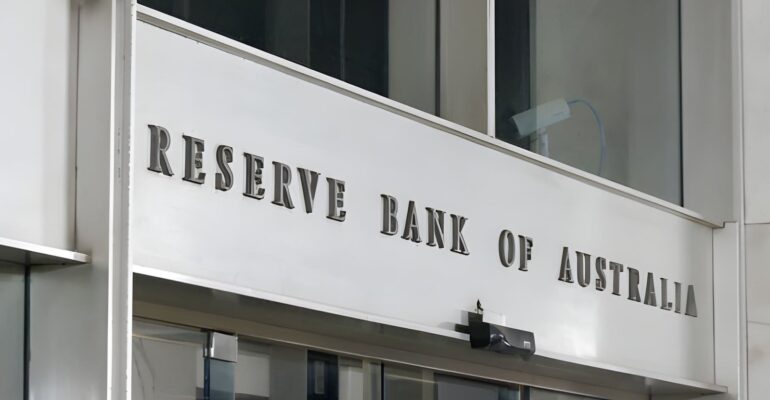
RBA Interest Rate Hike 2026: Why Australian Banks Are Raising Rates and What It Means for You
Meta Title: RBA Rate Hike Feb 2026: Banks Raise Loans – Impacts & Tips
Meta Description: RBA hiked cash rate to 3.85% on Feb 3, 2026 [link]. Banks follow: higher mortgages, better savings. Sydney/Brisbane guides + refinance tips.
Keywords: RBA interest rate hike 2026, cash rate 3.85%, Australian banks raise rates, mortgage impact Sydney 2026, inflation Australia Feb 2026.
Australia’s financial landscape shifted dramatically in early 2026. On February 3, 2026, the Reserve Bank of Australia (RBA) raised the official cash rate by 25 basis points to 3.85% — the first hike since 2023 — citing renewed inflation pressures from the second half of 2025. Major banks like Commonwealth Bank, Westpac, ANZ, and NAB quickly followed by increasing their variable home loan and deposit rates.
This move impacts millions of Australians, from higher mortgage repayments in Sydney to better savings returns in Perth. Below, we break down the why, how, and what to do next.
The RBA Cash Rate Explained
The RBA cash rate is the benchmark rate banks use to lend to each other overnight. It sets the tone for all consumer rates. When inflation exceeds the 2–3% target, the RBA hikes it to curb spending and demand.
The February decision was unanimous, driven by “greater capacity pressures” and inflation picking up materially.
Why the RBA Hiked Rates in February 2026
Key drivers include:
- Persistent inflation: Despite falling from 2022 peaks, it rose again in late 2025 due to services, wages, and labor tightness.
- Tight labor market: Low unemployment fueled wage growth and demand.
- Global alignment: Similar hikes elsewhere supported the AUD.
The RBA warned inflation may stay above target, leaving room for further hikes (e.g., March or May).
Banks’ Immediate Response
Banks passed on the 0.25% increase:
- BankVic confirmed variable home loan hikes effective February 17, 2026.
- CommBank and Westpac now forecast more rises, urging preparation.
- Variable rates climbed, while savings accounts saw modest boosts.
Impact on Homeowners and Borrowers
A $600,000 loan at 6% now costs ~$200–$250 more monthly. The “fixed-rate cliff” worsens this for 2021–2022 fixers.
Tips:
- Refinance via brokers.
- Switch to fortnightly payments.
- Compare rates online.
Benefits for Savers
Savings rates are rising (up to 5–6% on term deposits), rewarding retirees. Shop around for the best offers.
Business and Investment Effects
Small businesses face higher loan costs; developers pause projects. Investors eye cooling property for buys.
Housing Market by City (2026 Outlook)
|
City |
Impact Summary |
Median House Price Trend |
|
Sydney |
High stress; clearance rates down |
Flat/slight dip |
|
Melbourne |
Cooling; rental demand up |
Stabilizing |
|
Brisbane |
Migration supports; Olympics boost |
Moderate growth |
|
Perth |
Mining resilience; stable |
Steady |
|
Adelaide |
Affordable; low exposure |
Positive |
Inflation and Economy-Wide Ripples
Hikes slow spending, easing prices over 6–12 months. Retail and autos dip; AUD strengthens.
Preparation Steps for Australians
- Budget strictly.
- Pay high-interest debt first.
- Build 3–6 months’ emergency fund.
- Use fintech for rate alerts.
Future Rate Path
Markets eye May hikes if inflation persists; cuts unlikely until mid-2026+. Watch March RBA meeting.
How Financial Technology (FinTech) Is Helping Australians
The recent surge in interest rates has also expanded opportunities for digital banking and comparison platforms. Australians increasingly turn to fintech tools for:
- Loan comparison and switching.
- AI-based budgeting and savings plans.
- Automated rate alerts.
These tools provide transparency and accessibility that traditional banks often lack, empowering consumers to make smarter choices.
Final Thoughts
The RBA’s 2026 interest rate hike underscores Australia’s determination to achieve long-term economic stability. While households, businesses, and investors face real challenges, this policy shift is a crucial part of keeping inflation under control and securing prosperity for future years.
For homeowners, now is the time to reassess debts and look for refinancing options. For savers, it’s a chance to finally enjoy higher returns. And for business owners, the message is clear: efficiency and planning are key.
Staying informed, comparing financial products, and adjusting your strategy will help you thrive even during periods of economic uncertainty. Australia’s economy has weathered many cycles before—and with smart decisions, it will emerge stronger again.
How You Can Prepare and Adapt
Economic transitions can be challenging, but readiness helps cushion the impact.
- Audit Your Finances – Create a budget and track every dollar.
- Reduce High-Interest Debt – Pay off credit cards and personal loans quickly.
- Build an Emergency Fund – Aim for 3–6 months of expenses to stay secure.
- Explore Refinancing – Compare lenders every few months.
- Invest Smartly – Diversify portfolios; consider low-risk, fixed-return assets.
With proactive planning and clear financial goals, Australians can protect their household budgets even amid rising rates.